
Market management
Running a Farmers Market Without the Clipboard
Paper vendor lists do not survive a busy season. Here is a calmer way to run a market.
Practical, honest advice from the team behind StallBookr, written to help you do this well.
Paper vendor lists do not survive a busy season. Here is a calmer way to run a market.

Who gets which stall matters to vendors. Here is how to allocate fairly and keep the peace.

Happy vendors make a great market. Here is how to keep them coming back.

Messy fee records make a mess of your season. Here is how to keep them clean.

An empty stall is a gap in your market and lost income. Here is how to keep them filled.

Most market friction is a communication gap. Here is how to keep vendors in the loop.

A good season starts with good planning. Here is how to set your market up to run well.

Outdoor markets live with the weather. Here is how to handle the disruption gracefully.

A thriving market grows deliberately. Here is how to build yours up over time.

Grant reviewers want evidence that a market moves real money to local producers. A simple, consistent sales log turns a vague claim into a number you can defend.

Stalls at the far end of a market earn less for reasons that have nothing to do with the vendor. Layout decisions fix that, and they are cheaper than adding vendors.

Expired paperwork is the problem nobody notices until an inspector or an insurer asks. A simple expiry-tracking routine keeps the market covered without turning the manager into a compliance officer.

Accepting SNAP at a farmers market is worth doing, and it is more paperwork than people expect. Here is what the workload actually looks like and how to keep it manageable.
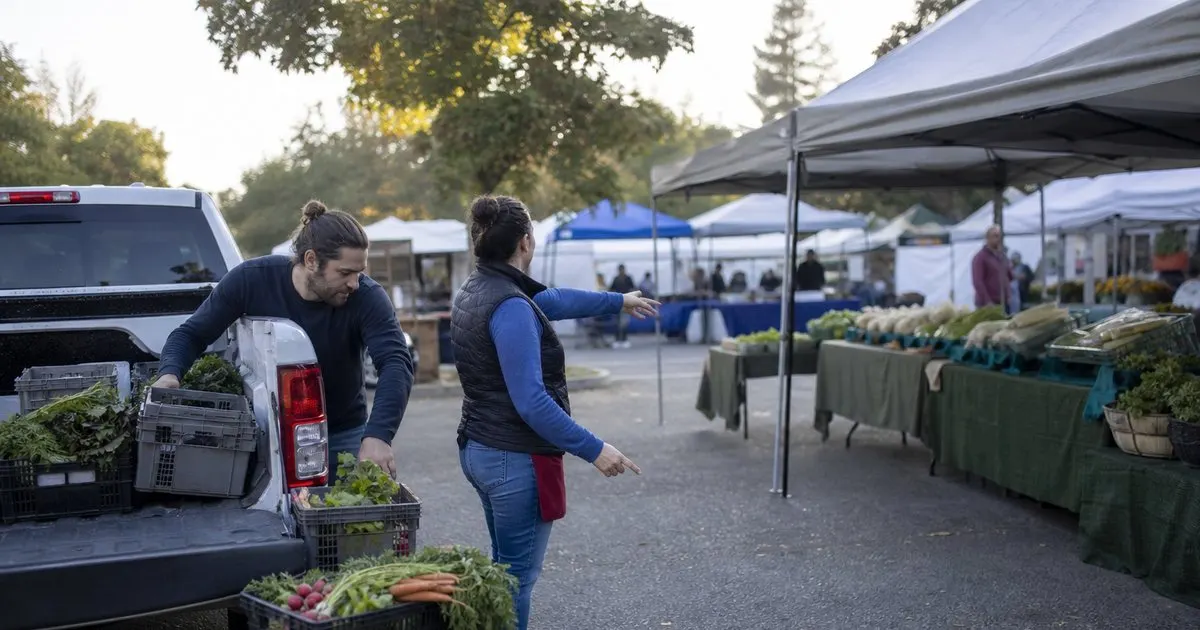
A strong application in July is an opportunity and a headache at the same time. Here is a fair, fast process for bringing a vendor in without upsetting the ones already there.

Check-in is the first thing a manager does on market morning and the last thing they let go of. The right moment to delegate it comes earlier than most managers think.

Too many of the same product splits a small customer base until nobody makes money. Category caps are how markets keep vendors viable, and they are easier to set than to defend.

Flat is not failure, but it is a signal. Here is how to read a flat season honestly and turn it into a short list of changes for next year.

A board that meets four times a year sees the market through whatever the manager puts in front of it. One consistent page, the same every quarter, does more than any presentation.

Producer-only rules only work if someone checks them. Here is a layered approach that uses the application, market-day observation, and routine farm visits without turning the market into a police force.

Fee increases go badly when the number appears without warning or reasoning. Build the cost sheet, pick the signals, structure the increase, then announce it in the off-season.