How do you verify that a producer-only farmers market vendor actually grows what they sell?
Producer-only rules only work if someone checks them. Here is a layered approach that uses the application, market-day observation, and routine farm visits without turning the market into a police force.
Decide what producer-only means at your market
Producer-only means different things at different markets, and most enforcement problems start there rather than with a dishonest vendor. Before you can check anything you need a written definition that answers the awkward questions. Can a farm sell produce grown by a neighbor, and if so with what disclosure? Does the rule cover value-added goods made from bought-in ingredients, like jam from another farm's fruit or bread from purchased flour? Are nursery plants, cut flowers, eggs, and honey treated the same way as vegetables?
Write the answers into the vendor handbook in plain sentences, with examples rather than legal phrasing. A rule that says all product must be grown, raised, or made by the vendor sounds clear until a baker asks about flour. Most markets end up with a tiered rule: raw agricultural product comes from the vendor's own land, value-added product is made by the vendor with a stated share of their own or local ingredients, and any resale is disclosed on the application and approved in advance. Vendors can follow a rule like that. They cannot follow one that lives only in the manager's head.
Keep reading: Running a Farmers Market Without the Clipboard, Fair Stall Allocation, Keeping Vendors Happy. See how StallBookr helps you stall booking and sales logging for farmers markets.
Make the application do most of the work
The strongest verification tool is the application form you already send. Ask for the physical address of every field, greenhouse, or licensed kitchen the vendor produces in, not just a mailing address. Ask for a crop list with rough planting windows and expected harvest months, plus approximate acreage or bed footage per crop. Ask directly whether they intend to sell anything they did not grow or make themselves, and leave real space for them to describe it. Most vendors answer honestly when the question is asked plainly and everyone is asked the same thing.
That paperwork becomes useful the moment it meets market day. If a vendor's crop plan lists no melons and melons appear on the table in July, you have a specific question to ask rather than a vague suspicion. Keep the crop plans somewhere you can open on a phone while walking the aisle, because the useful moment is at the stall, not on Monday. We built vendor profiles in StallBookr around that idea: whatever a vendor told you at application time should be one tap away when you are standing in front of their table. Related: Fair Stall Allocation
Farm visits are the real check, so make them routine
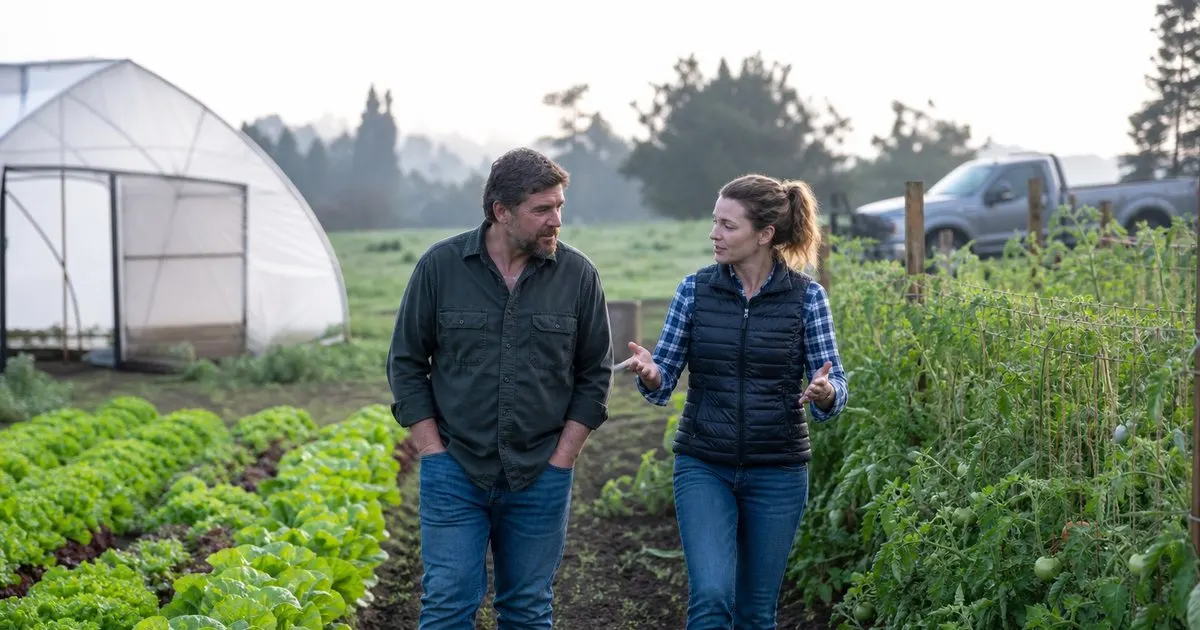
Paperwork can be written by anyone, so at some point somebody has to look at the ground. The practical model most markets settle on is a visit to every new vendor in their first season, a rotation that reaches each returning farm every few seasons, and an extra visit whenever a specific question comes up. Doing visits on a published rotation rather than only after a complaint is what keeps them from feeling like an accusation. Give reasonable notice, go during a working part of the season, and keep it short.
What you are looking for is scale that matches sales. A vendor bringing many bushels of tomatoes every week should have plants in the ground or under cover consistent with that volume. Ask to see seed and transplant invoices, the wash and pack area, and storage. Bring a short checklist and, with permission, take a few photos so the record is not just your memory. If the farm is a co-op of several growers or leases scattered plots, write that down, because an arrangement that looks suspicious to a new manager two seasons from now is often one a previous manager already approved. Related: Why does logging vendor sales at a farmers market matter for grant applications?
Handle a suspected violation without a public fight
Start privately and start curious. Most violations turn out to be a crop failure covered by a purchase, a family member's product brought along without thinking, or a genuine misreading of the rule. A vendor asked quietly at the end of market day will usually tell you the truth. A confrontation in the aisle turns a fixable problem into a story that follows your market for years, and it forces other vendors to take sides in something that was never theirs. Related: Running a Farmers Market Without the Clipboard
Have a graduated response written down before you need it: a documented warning, then removal of the product in question, then suspension for a set number of market days, then removal from the season with a stated appeals path to the board. Apply it in the same order to a top-selling vendor as to a new one, because the moment vendors believe the rule bends for the biggest tent, the rule is gone. Keep dated notes of every conversation. Complaints from other vendors are useful signals and poor evidence, so treat them as a reason to look rather than a verdict. Related: Keeping Vendors Happy
- Write the producer-only rule with worked examples, including value-added goods and any resale you allow, before you try to enforce it.
- Collect field addresses, a crop list, and planting windows on the application, then check the table against that plan on market day.
- Visit every new farm in its first season and rotate through the rest, so a visit never reads as an accusation.
- Respond to suspected violations privately, in a written graduated sequence, applied the same way to your biggest vendor as to your newest.

Julien Jimenez
Julien Jimenez is an independent software builder based in Paris. He designs, ships, and operates focused SaaS products for small businesses and independent professionals. Read the full author page.
Run your market without the clipboard
Stall booking and sales logging for farmers markets. StallBookr is built to help you put this into practice.
Open bookingsMore from the StallBookr blog
Running a Farmers Market Without the Clipboard
Fair Stall Allocation
Keeping Vendors Happy
Get the StallBookr playbook
Practical guides on market management, straight to your inbox as we publish them. No spam, unsubscribe any time.