Which product categories should a small farmers market cap to protect its vendors?
Too many of the same product splits a small customer base until nobody makes money. Category caps are how markets keep vendors viable, and they are easier to set than to defend.
Why caps exist and where the pressure comes from
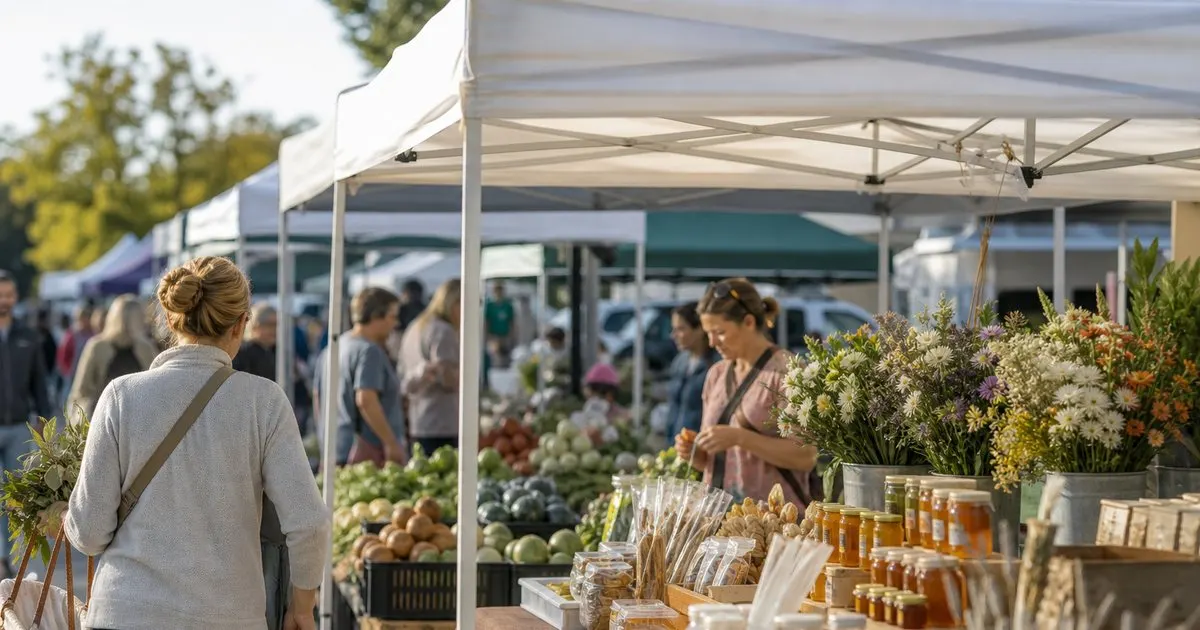
A small market serves a limited pool of shoppers each week, and each shopper buys a limited amount of any one product. Four bread bakers in a market of fifteen stalls do not create four times the bread sales; they split roughly the same sales four ways, and the weakest two leave within a season, sometimes taking a bad opinion of the market with them. Caps exist to keep each category viable for the vendors already in it, which is a different goal from keeping newcomers out. Related: Keeping Vendors Happy
The pressure to exceed caps comes from good places. A new applicant with a great product, a board member's neighbor, a vendor who wants to add a second category to a slow stall, or simply the desire to fill an empty spot with anyone rather than nobody. The cap is what lets the manager say no politely and consistently, which is why it needs to be written down and published before the season, not improvised at the moment an application arrives. Related: Fair Stall Allocation
Keep reading: Running a Farmers Market Without the Clipboard, Fair Stall Allocation, Keeping Vendors Happy. See how StallBookr helps you stall booking and sales logging for farmers markets.
The categories that most often need a cap
Prepared and ready-to-eat food is the category that most often needs a hard limit in a small market. It draws crowds, which is good, but a market that becomes a food court loses the shoppers who came for groceries and the producers who depend on them. Baked goods, jams and preserves, honey, eggs, and cut flowers are the next most common categories to fill up, because they are relatively easy to produce at small scale and many people start there. Body care products such as soap and candles fill quickly for the same reason.
Fresh produce is the category most markets deliberately leave open or cap generously. Shoppers come to a farmers market for produce first, they buy from more than one grower, and variety across growers, one with early greens, another with stone fruit, another with storage crops, is what makes the market worth the trip. Craft and non-food goods are the category most producer-focused markets cap tightly or exclude, both to preserve the market's identity and because farm vendors resent competing for space with resale goods. Related: Running a Farmers Market Without the Clipboard
Setting the numbers and defining the boundaries
Rather than fixed numbers, many small markets set caps as a share of total stalls, which scales as the market grows: for example, a market might decide that prepared food will not exceed a set fraction of stalls and that non-food goods will stay below a smaller fraction. The exact figures are a local judgment based on what shoppers have shown they buy, and it is worth revisiting them each winter against the sales log by category.
Definitions matter as much as numbers. Is a vendor who sells vegetables and one kind of jam a produce vendor or a preserves vendor? Does a bakery that also does coffee count as prepared food? Decide, write the definitions into the vendor handbook, and apply them the same way to every application. Vendors who lose out to a cap will accept a clear rule far more readily than a vague one, and vendors who are protected by a cap should know that the protection comes with the expectation that they show up every week.
Managing the waitlist a cap creates
A cap without a waitlist is a wall; a cap with a waitlist is a queue, and applicants treat the two very differently. Keep the waitlist by category, in the order applications were received, and tell each applicant where they stand and roughly how often spots open. When a spot does open, whether from a vendor leaving or from a cap raised in the off-season, offer it to the next applicant in that category and give them a short deadline to accept.
The waitlist also protects the market against its own caps. If the top of the produce waitlist is empty while prepared food has six applicants, that is information about where demand is coming from, and it might justify adding stalls or adjusting the fraction next season. Review it alongside the sales log by category every winter. A category whose vendors are each selling well and whose waitlist is long can usually take one more; a category where existing vendors are struggling cannot, however good the applicant. Related: Filling Empty Stalls
- Caps protect vendor viability in a small customer pool; they are not primarily about keeping applicants out.
- Prepared food, baked goods, preserves, honey, eggs, flowers, and body care fill fastest and most often need limits.
- Leave produce open or cap it generously, and define category boundaries in writing before the season.
- Run a per-category waitlist and revisit caps each winter against the sales log by category.

Julien Jimenez
Julien Jimenez is an independent software builder based in Paris. He designs, ships, and operates focused SaaS products for small businesses and independent professionals. Read the full author page.
Run your market without the clipboard
Stall booking and sales logging for farmers markets. StallBookr is built to help you put this into practice.
Open bookingsMore from the StallBookr blog
Running a Farmers Market Without the Clipboard
Fair Stall Allocation
Keeping Vendors Happy
Get the StallBookr playbook
Practical guides on market management, straight to your inbox as we publish them. No spam, unsubscribe any time.